Mullein Leaf: The Forgotten Lung Herb That Science Is Rediscovering

What Is Mullein Leaf?
Mullein (Verbascum thapsus) is a tall, biennial plant found throughout Europe, North America, and Asia. Its large, soft, velvety leaves have been used in herbal medicine for over 2,500 years. Native American tribes used mullein smoke for respiratory complaints; European herbalists prescribed mullein leaf tea for coughs, bronchitis, and asthma long before pharmaceutical interventions existed.
Active Compounds Driving Respiratory Benefits
- Saponins: Act as natural expectorants, reducing the surface tension of mucus in the airways and facilitating its clearance from bronchial passages.
- Mucilage (polysaccharides): Creates a soothing, protective film over irritated respiratory mucosa, reducing inflammation and dryness in the airways.
- Flavonoids (verbascoside, luteolin, apigenin): Potent anti-inflammatory compounds that inhibit prostaglandin synthesis and reduce airway inflammation — the root cause of most respiratory discomfort.
- Iridoids and phenylethanoids: Contribute to antimicrobial activity, particularly against respiratory pathogens including Streptococcus and Klebsiella pneumoniae.
- Coumarin derivatives: Support capillary integrity in the lung vasculature and have mild bronchodilatory effects.
Key Respiratory Mechanisms
Expectorant action: Saponins in mullein increase respiratory secretions while simultaneously reducing their viscosity, making it easier to clear mucus from the bronchial tree. This expectorant mechanism is fundamentally different from — and complementary to — anti-inflammatory approaches.
Anti-inflammatory pathway: Verbascoside, one of mullein's most studied phenylethanoids, inhibits nuclear factor-κB (NF-κB) signaling — the master regulator of inflammatory gene expression in airway epithelial cells. This reduces the production of pro-inflammatory cytokines including IL-6, TNF-α, and IL-1β.
Antimicrobial protection: Laboratory studies have demonstrated mullein extract activity against common respiratory pathogens. A 2003 study published in the Journal of Alternative and Complementary Medicine showed significant antimicrobial activity against Staphylococcus aureus and Klebsiella pneumoniae at clinically relevant concentrations.
Traditional Use Validated by Research
A systematic review of mullein's clinical applications found consistent evidence supporting its use for: chronic bronchitis and COPD symptom management, asthma-related airway inflammation, upper respiratory tract infections, and dry, irritating coughs. The combination of expectorant, anti-inflammatory, and antimicrobial mechanisms makes it uniquely suited for comprehensive respiratory support.
Synergistic Combinations
Mullein works best in combination with complementary respiratory herbs. Key synergists include thyme (antimicrobial and antispasmodic), marshmallow root (additional mucosal protection), and licorice root (anti-inflammatory and expectorant). These combinations target different aspects of respiratory health simultaneously, producing more comprehensive relief than single-herb approaches.
Safety Profile
Mullein leaf has an excellent safety profile and is classified as GRAS (Generally Recognized As Safe) for food and supplement use. The fine hairs on fresh mullein leaves can cause minor throat irritation, which is why mullein is typically consumed as a strained tea, tincture, or in encapsulated extract form. No significant drug interactions have been documented at standard therapeutic doses.
⭐ Recommended Product
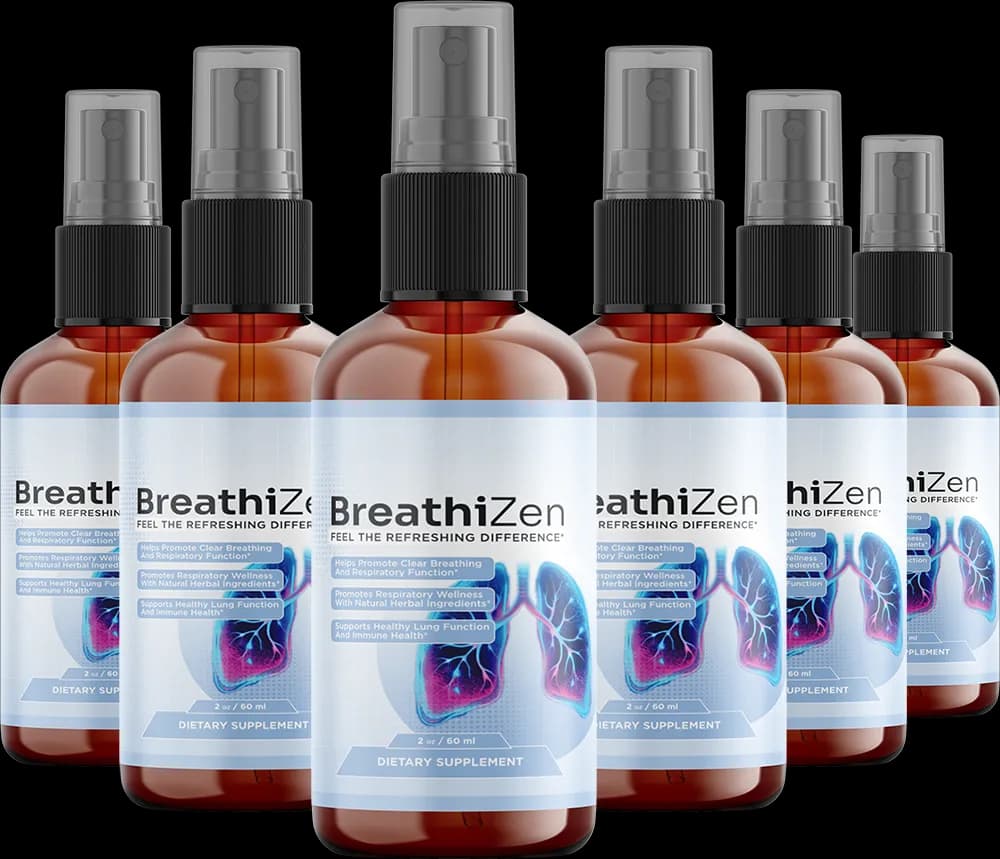
BreathiZen
BreathiZen is a natural respiratory support supplement with Mullein Leaf, Ginger Root, and Bromelain designed to enhance lung function, clear airways, and promote deeper, easier breathing.
Affiliate link · no extra cost to you