
Tea Tree Oil and Fungal Infections: The Science Behind Nature's Most Potent Antifungal
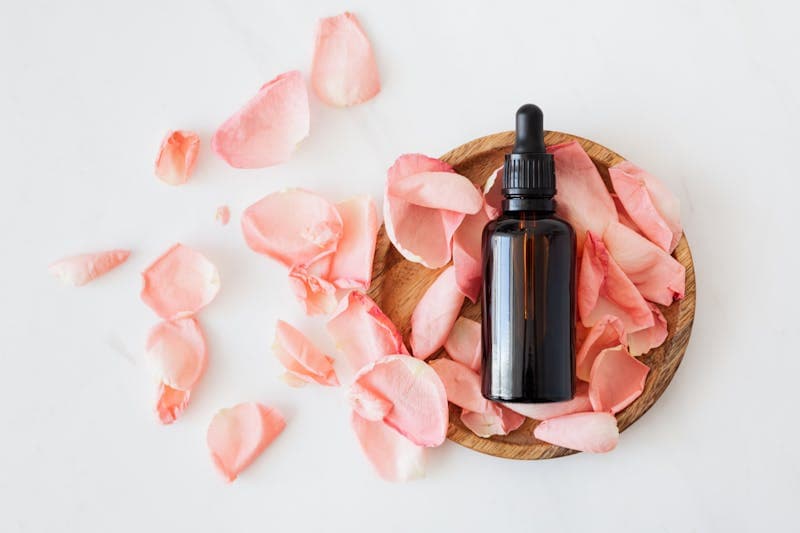
Reviewed product
Kerassentials
What Is Tea Tree Oil?
Tea tree oil is the steam-distilled essential oil extracted from the leaves of Melaleuca alternifolia, a tree native to Australia. It has been used by Aboriginal Australians for wound healing and infection treatment for centuries, and entered modern clinical use in the 1920s when Australian physician Dr. Arthur Penfold published the first scientific papers documenting its remarkable antimicrobial properties.
Composition: A Complex of Over 100 Bioactives
The International Standard for tea tree oil (ISO 4730) defines minimum concentrations for its key components. The most clinically important include:
- Terpinen-4-ol (30–48%): The primary antifungal and antimicrobial compound. Disrupts fungal cell membrane integrity by inserting into phospholipid bilayers, causing membrane permeabilization, leakage of cellular contents, and fungal cell death.
- γ-Terpinene (10–28%): Synergistic antimicrobial activity; also contributes to anti-inflammatory effects in surrounding tissue.
- α-Terpineol (1.5–8%): Additional membrane-disrupting activity; enhances skin penetration of other bioactives.
- 1,8-Cineole (<15%): Anti-inflammatory properties; also acts as a penetration enhancer improving delivery to subungual (under-nail) tissue.
Antifungal Mechanism of Action
Tea tree oil's antifungal efficacy operates through a fundamentally different mechanism than azole antifungal medications (fluconazole, itraconazole). Pharmaceutical antifungals block ergosterol biosynthesis — a single target that fungi can develop resistance against. Tea tree oil, by contrast, directly disrupts the fungal cell membrane through physical interaction with membrane phospholipids — a non-specific mechanism against which resistance is virtually impossible.
Research published in the Journal of Antimicrobial Chemotherapy demonstrated that terpinen-4-ol disrupts fungal cell membranes at clinically achievable concentrations, causing rapid ATP leakage and loss of membrane potential — mechanisms that kill fungal cells within minutes of exposure at sufficient concentration.
Clinical Evidence Against Toenail Fungus (Onychomycosis)
A landmark randomized controlled trial published in the Journal of Family Practice compared 100% tea tree oil to 1% clotrimazole (a standard pharmaceutical antifungal) in 177 patients with confirmed onychomycosis over 6 months. Results were equivalent: 60% clinical improvement and approximately 18% complete cure rate in both groups — with tea tree oil producing no systemic side effects compared to the hepatotoxicity risk associated with oral antifungals.
A follow-up study using 5% tea tree oil in a cream base showed superior nail penetration compared to topical azoles, attributable to the oil's natural penetration-enhancing components.
Breadth of Antimicrobial Spectrum
Tea tree oil demonstrates activity against a broad spectrum of fungal pathogens relevant to nail and skin infections:
- Trichophyton rubrum and T. mentagrophytes — the most common toenail fungal pathogens
- Candida albicans and C. tropicalis — relevant for nail fold (paronychia) infections
- Malassezia furfur — responsible for tinea versicolor and seborrheic dermatitis
- Multiple dermatophyte species causing athlete's foot and ringworm
Penetration to the Nail Bed
The primary challenge in treating onychomycosis topically is reaching the fungal infection beneath the nail plate. Tea tree oil's small, lipophilic molecules achieve significantly better nail penetration than most pharmaceutical topical antifungals. Nail penetration studies show that the combination of terpinen-4-ol and 1,8-cineole in tea tree oil achieves therapeutic concentrations at the nail bed within 24 hours of topical application.
Safe, Effective, and Resistance-Proof
Tea tree oil is well-tolerated when used topically at concentrations up to 100% in nail applications. The most common side effect is mild skin sensitization in a small percentage of users. Crucially, unlike oral antifungal medications, tea tree oil carries no risk of systemic toxicity, drug interactions, or liver stress — making it particularly appropriate for long-term treatment protocols requiring months of consistent application.
Interested in Kerassentials?
Visit Official Website →Affiliate link — we may earn a commission at no extra cost to you.