
How to Use Berberine B1 G2: Complete Step-by-Step Guide
Everything you need to know to take Berberine B1 G2 correctly — timing, dosage, meal pairing, and what to realistically expect week by week.
Affiliate Disclosure: This page contains affiliate links. We may earn a commission if you purchase through these links, at no extra cost to you. Our guides are written independently and reflect our honest assessment.
Berberine B1 G2 is not your average berberine supplement. Its enhanced-bioavailability formula absorbs up to 5x better than standard berberine HCl, which means how you take it matters — and getting it right can dramatically accelerate your results.
This guide covers exactly when to take Berberine B1 G2, how to pair it with meals for maximum blood sugar control, what to expect week by week, and the most common mistakes that reduce its effectiveness.
What Is Berberine B1 G2 and Why Timing Matters
Berberine B1 G2 works by activating AMPK — your body's metabolic master switch — which increases cellular glucose uptake, improves insulin sensitivity, and reduces liver glucose production. The enhanced phosphatidylcholine complex in this formula dramatically improves how much berberine actually reaches your bloodstream.
Because berberine acts on blood sugar in real time, timing your dose around meals makes a meaningful difference. Taking it at the right moment blunts post-meal glucose spikes before they happen, rather than correcting them after the fact.
Step-by-Step: How to Take Berberine B1 G2
The recommended protocol is simple:
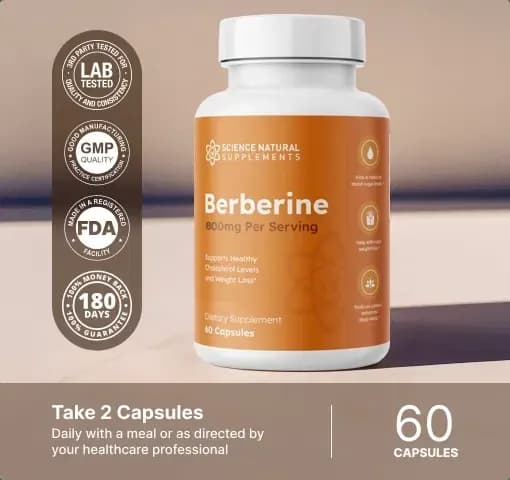
1. Take 1 capsule, 2–3 times per day — with meals or 15–20 minutes before eating. 2. Take it with a small amount of water and food — berberine is fat-soluble and absorbs better in the presence of dietary fat. 3. Space doses evenly throughout the day (e.g., breakfast, lunch, and dinner) rather than taking multiple capsules at once. 4. Be consistent — berberine's blood sugar effects compound over time. Missing doses slows progress significantly. 5. Start with 1 capsule per day for the first week if you have a sensitive stomach, then work up to the full dose.
Ready to try Berberine B1 G2?
See Official Website →Best Time to Take It: Before or After Meals?
The ideal window is 15–20 minutes before a carbohydrate-containing meal. This gives berberine time to enter your bloodstream and begin acting on glucose transporters before sugar from food arrives.
If you forget to take it before eating, taking it during or immediately after the meal is still effective — just not quite as optimized.
Avoid taking it on a completely empty stomach, especially in the first few weeks. Some users experience mild nausea or GI discomfort when taking berberine without food, particularly at higher doses. A small snack is enough to prevent this.
What to Expect Week by Week
Week 1–2: Your body is adjusting to berberine. Some users notice mild digestive changes (looser stools, slight bloating) — this is normal and typically resolves by week 2. Energy levels may feel slightly different as your metabolism shifts.
Week 3–4: Post-meal energy crashes begin to reduce noticeably. Blood sugar stability improves — many users notice fewer afternoon energy dips and reduced sugar cravings.
Week 5–8: The metabolic effects become more visible. Users on a weight loss plan often see meaningful progress here. Fasting glucose levels typically begin to trend downward for those monitoring them.
Week 9–12: Full protocol results. Clinical studies show the most significant improvements in HbA1c, fasting glucose, LDL cholesterol, and triglycerides at the 8–12 week mark. This is when most users experience the compound effect of consistent dosing.
Tips to Maximize Your Results
Pair with low-glycemic meals when possible. Berberine reduces blood sugar spikes, but a diet high in refined carbohydrates will work against it.
Do not take it at the same time as fat-soluble vitamins or other supplements that compete for absorption — space them 1–2 hours apart.
If you're taking metformin or other blood sugar medication, consult your doctor before starting. Berberine can have additive effects and may require medication dose adjustment.
Stay hydrated. Berberine supports liver function and metabolic detox pathways — adequate water intake helps everything run efficiently.
Track your fasting blood glucose if possible. This is the clearest way to confirm Berberine B1 G2 is working for you personally.
Who Should (and Should Not) Take Berberine B1 G2
Ideal candidates: Adults with prediabetes, metabolic syndrome, elevated triglycerides, or anyone seeking natural blood sugar and weight management support without prescription medication.
Use with caution or avoid if: You are pregnant or breastfeeding. You are currently taking insulin, metformin, or other glucose-lowering drugs (risk of hypoglycemia without medical supervision). You have hypotension — berberine can modestly lower blood pressure. You are under 18.
Always consult your healthcare provider before starting if you are managing a diagnosed metabolic condition with prescription medication.
👍 What We Like
- ✓Enhanced bioavailability absorbs up to 5x better than standard berberine HCl
- ✓Clinically proven mechanism: activates AMPK for real metabolic impact
- ✓Supports blood sugar, cholesterol, triglycerides, and weight simultaneously
- ✓Easy 3-capsule daily protocol — fits any routine
- ✓Synergistic Vitamin B1 and Chromium amplify results
- ✓60-day money-back guarantee — no-risk trial
👎 What to Keep in Mind
- ✗Must be taken with food — can cause GI discomfort on an empty stomach
- ✗Interacts with diabetes medications — medical supervision required
- ✗Full results require 8–12 weeks of consistent use
- ✗Not suitable for pregnant or breastfeeding women
⚖️ Our Verdict
Berberine B1 G2 is one of the most clinically grounded metabolic supplements available. If you follow the protocol correctly — dosed with meals, three times daily, consistently for at least 8 weeks — the evidence strongly supports meaningful improvements in blood sugar, energy stability, and weight management. The enhanced bioavailability formula makes every dose count. For anyone looking for evidence-backed, non-prescription metabolic support, this is a serious option.